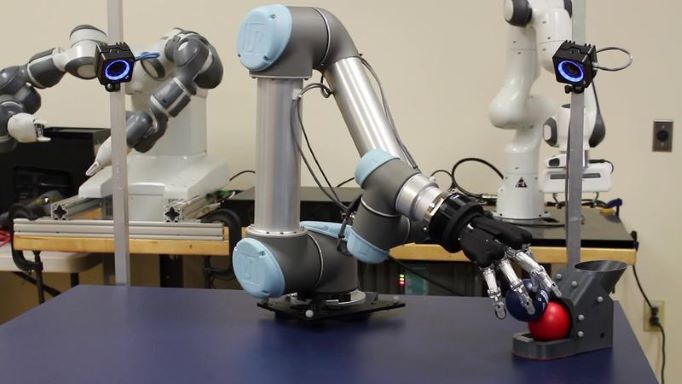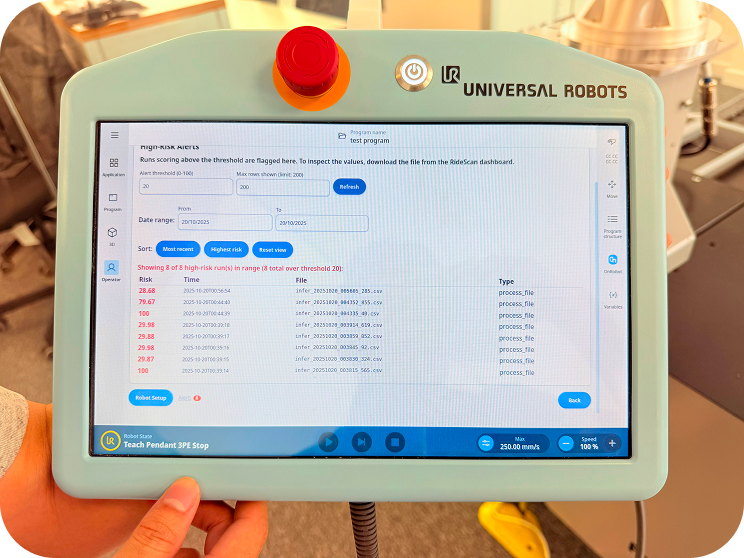
At Universal Robots' Sheffield office, RideScan calibrated on a real UR15 in under 15 minutes for the tested task and independently detected task-level behaviour changes. It had no access to the robot's internal software or safety logs.
Read the field test →RideScan learns what a good mission looks like from your robot's own execution data.
Each run is scored for behavioural deviation against that baseline.
Supervisors get clear reports so engineers know where to look. RideScan detects and reports. Your team decides what to do.
Builder projects come from the RideScan Integration Hackathon and ran in simulation. The UR15 field test ran on real hardware. Every card is tagged so you can tell them apart.
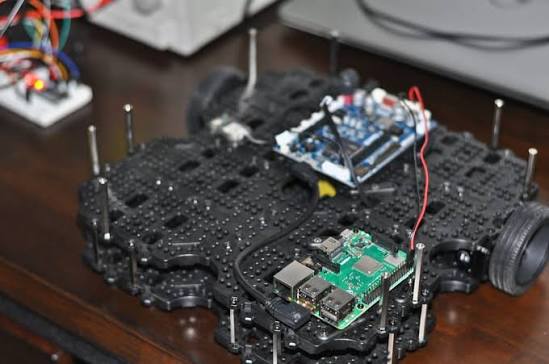
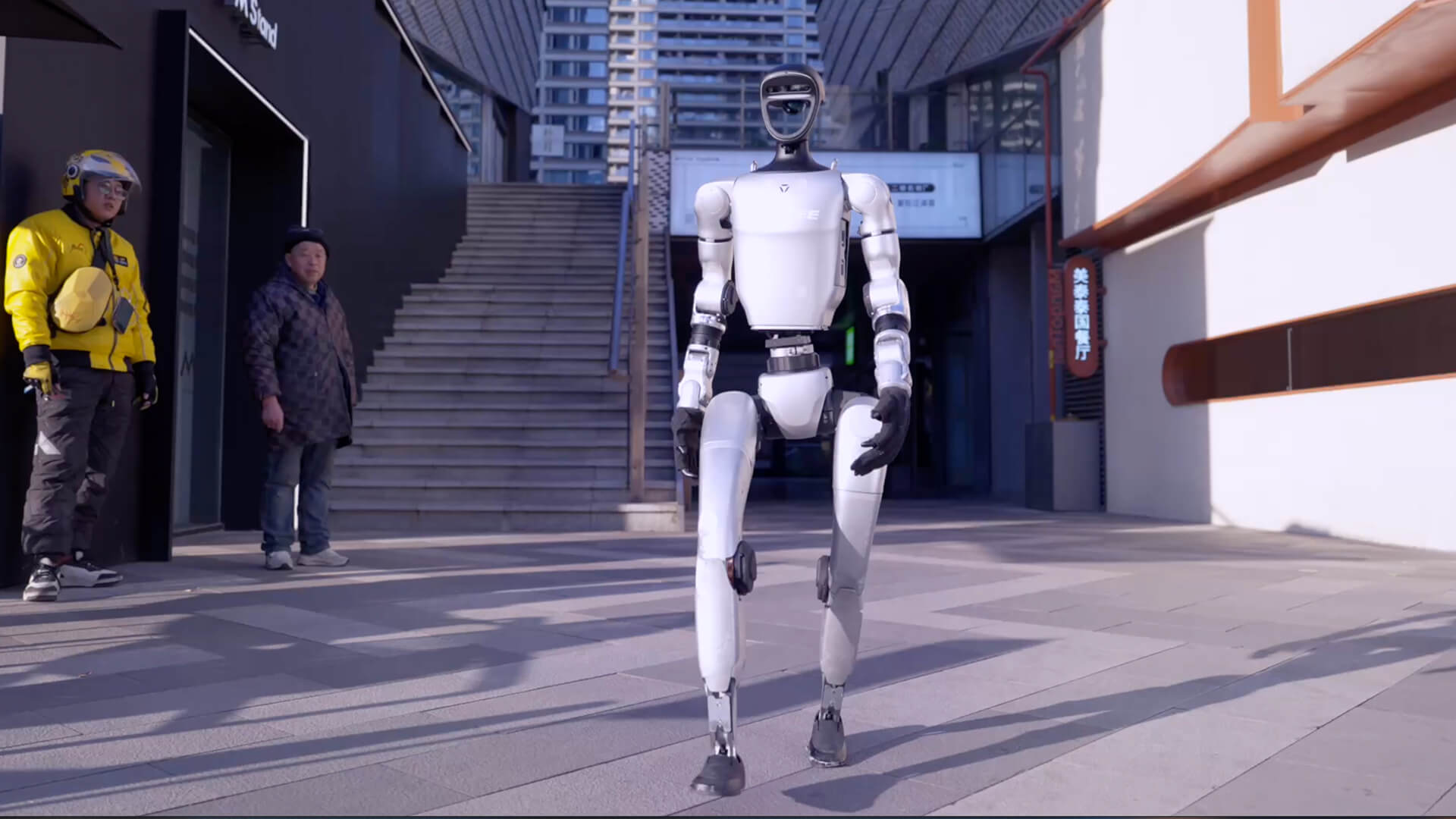
Mobile robots in warehouses, hospitals and other shared spaces drift, oscillate or behave differently long before anything visibly fails.
Changes in navigation and execution behaviour across repeated routes and deliveries.
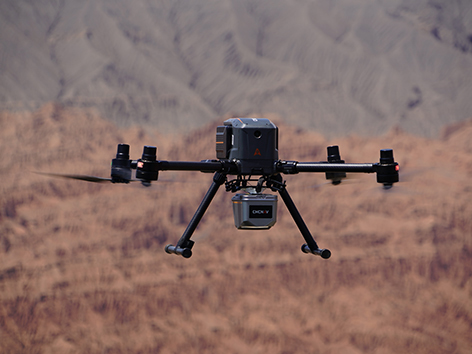
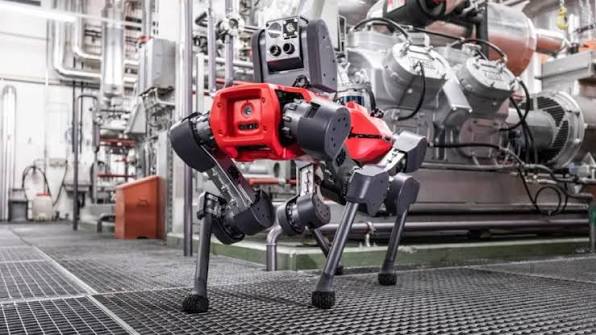
Inspection robots work in harsh, variable conditions, so a real fault and a bad-weather day can look alike.
Behavioural changes that stand apart from normal environmental variation.
Cobot cells change over time through new tasks, speeds and wear, and the controller's own reports don't show the drift.
Task-level behaviour changes in the arm's own execution data.
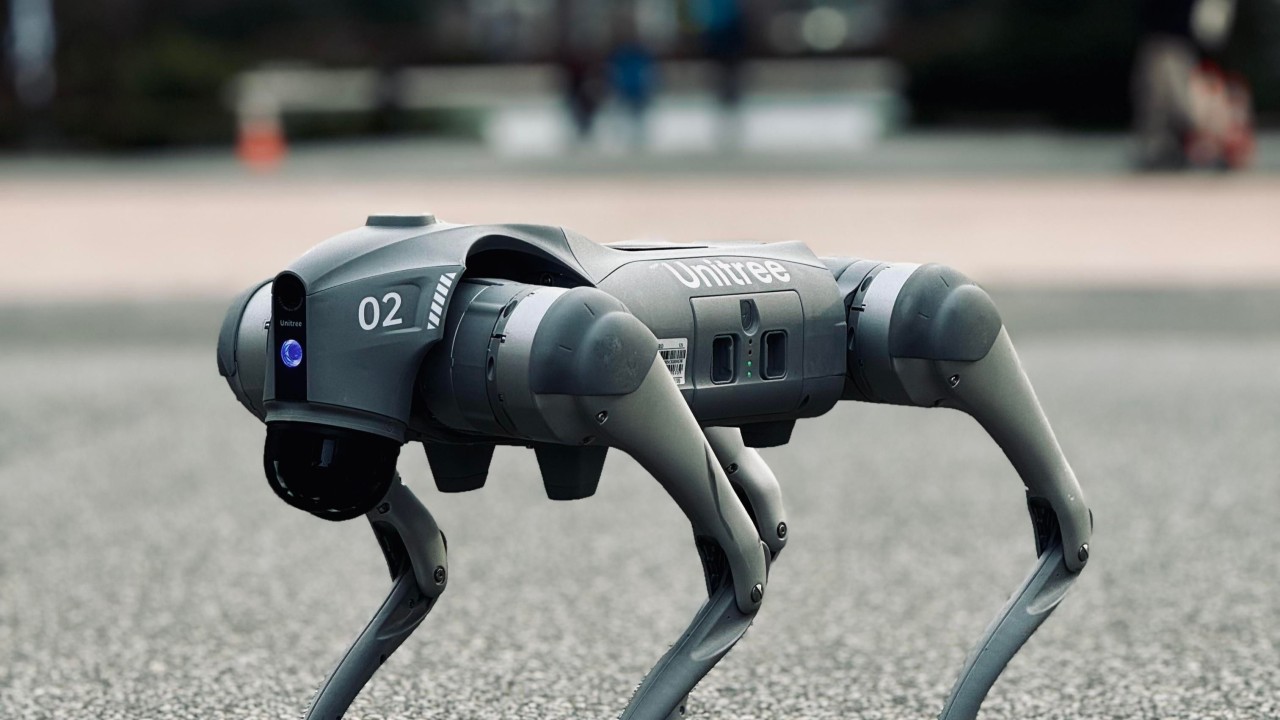
An independent view of fleet behaviour, separate from the vendor's own reporting.
Protect and expand existing contracts by spotting issues that affect customer downtime, quality and SLAs. It doesn't replace your engineering or support role.
Independent evidence of how your robots behave in the field.
RideScan is robot-agnostic. Bring a sample of your telemetry and we'll show you what it finds.
Book a demo